Tuesday, April 14, 2015

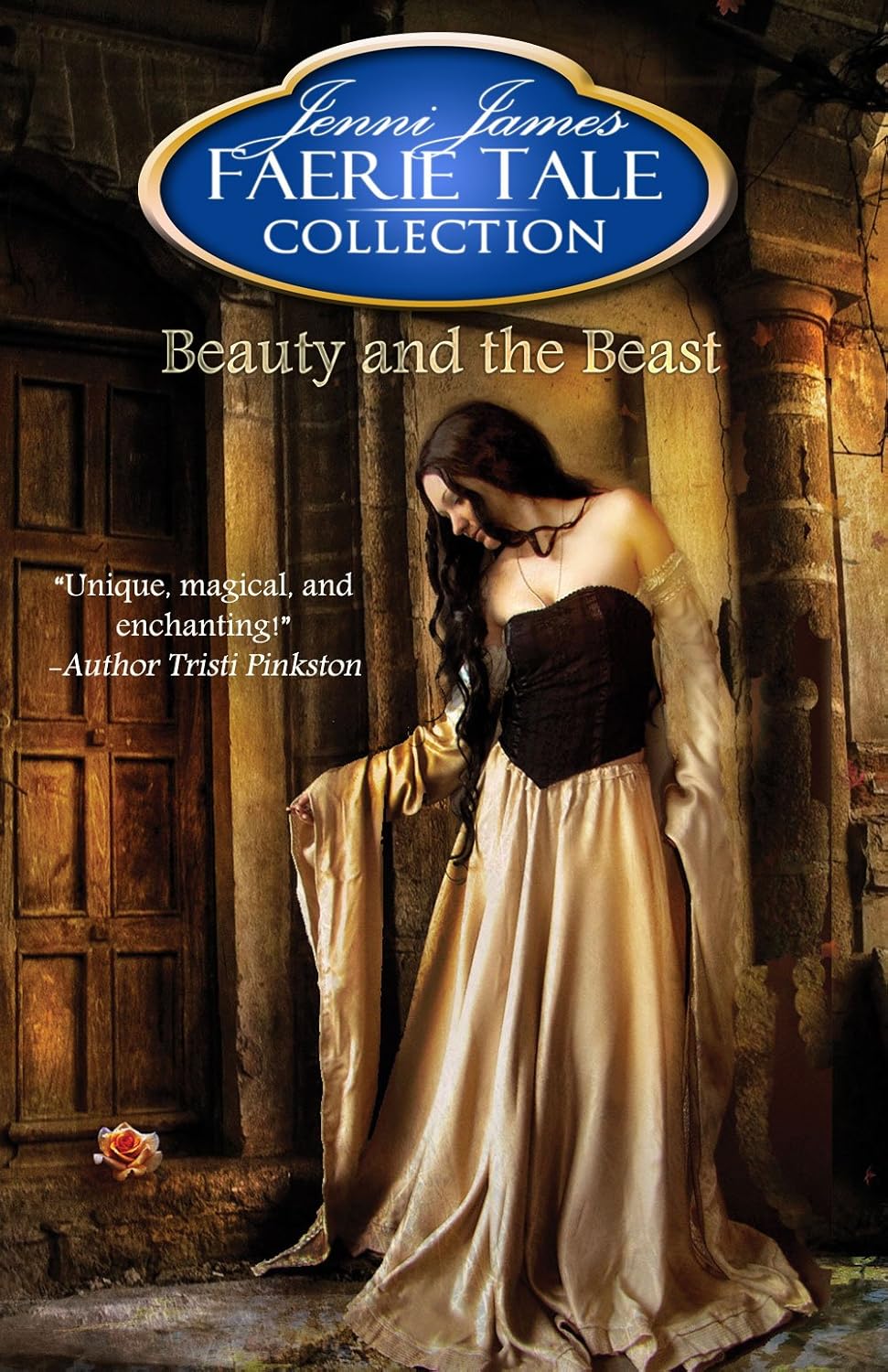
"Beauty and the Beast" by Jenni James [Book Review]

Beauty and the Beast (Faerie Tale Collection, #1)Beauty and the Beast by Jenni James
My rating: 3 of 5 stars

Since watching the ABC series "Once Upon a Time" I've become intrigued with any one of these fairy tales. This book was a free read using my kindle app on the iPad or phone, which is the only reason I decided to read it. I'd give it an "okay" rating. It read quickly and easily enough and is a love story free of sex scenes (or any mention of it at all), which means I'd feel good enough to put it in my junior high classroom library.

Jenni James offers a few of her own twists to this classic tale making this classic story her own. I liked it, but wouldn't call it a literary masterpiece. She definitely could've added a lot more between the conflicts and resolution of those conflicts. Just when events began to unravel for the main characters they were fixed within the next chapter or two. There was not a lot of dramatic, prolonged desperation. Although the ending was easily predictable (I mean it's a "... and they lived happily ever after" fairy tale) the struggles faced by the beauty and the beast were just too quickly and easily settled.

View all my reviews

Interested in reading it for yourself? It's $0 through Amazon! Click on the image below...


Check out one of my top tens where I list 9 other free e-books worth downloading and giving a try.

Monday, February 16, 2015

The 4 Pages in "Ina May's Guide to Childbirth" That Left Me Frustrated

A dear friend gave me three books to read that helped her as she prepared for the birth of their second daughter over two years ago. Now that I'm the same boat I was anxious to feel better equipped for this birth than I was with Beans, so I was thankful to receive them. I dived in to "Ina May's Guide to Childbirth" right away. 
Her credentials are pretty impressive (check out her website for more information on this renowned midwife). She has many published books, has attended more than 1200 births from beginning to end, she lectures to other midwives and has even been invited to speak at medical schools, and most impressive yet is that a method devised to deal with a feared childbirth complication was named after her and is now taught to medical professionals around the world. (source) There are so many reasons to trust what she has to say about childbirth.  

And it took only four pages in her book to frustrate me and leave me feeling elated all at once. I am not "broken" despite what the doctors made me believe.

The chapter titled, "The Wrong Environment Can Stall or Reverse Labor" (more precisely pages 138-141) gave reason to my feelings precisely. It's hard to condense Ina May's words and I'd honestly like to give you what she stated in its entirety, but I'll try to sum it up instead... 

Before I do, I'll give you my favorite quote from the section which will help you understand my summation:
The problem is that doctors today often assume that something mysterious and unidentified has gone wrong with labor or that the woman's body is somehow "inadequate" - what I call the "woman's body as a lemon" assumption. For a variety of reasons, a lot of women have also come to believe that nature made a serious mistake with their bodies. This belief has become so strong in many that they give in to pharmaceutical or surgical treatments when patience and recognition of the normality and harmlessness of the situation would make for better health for them and their babies and less surgery and technological intervention in birth. Most women need encouragement and companionship more than they need drugs. 
Remember this, for it is as true as true gets: Your body is not a lemon. You are not a machine. The Creator is not a careless mechanic. Human female bodies have the same potential to give birth as well as aardvarks, lions, rhinoceri, elephants, moose, and water buffalo.” (p. 141-142)
She began this section with one simple fact: that birth requires a "maximum degree of relaxation". Ina May and her midwife partners witnessed on many different occasions (and gave specific stories of such instances) where as soon as relaxation was lost, labor stopped or reversed. She dived into medical textbooks and interviewed other medical professionals to determine what was said about this phenomena and what she found shocked me. Doctors from the 1800's -1900's wrote about it in their medical textbooks, but recent textbooks deny its existence. Most doctor's today do not believe that the cervix was truly open to the stated centimeters, in other words, they do not trust in the midwife's ability to check openings appropriately and choose to believe that something "mysterious and unidentified has gone wrong with labor" or that the woman's body is now somehow "inadequate" instead. Ina May quoted six different doctors from the 19th century who witnessed this phenomena first hand and wrote about it in medical textbooks with advice on what to do and why. 

Here's the underlying piece to this puzzle and why it fit my feelings precisely: most doctors during this time period knew that an unwelcome or upsetting presence could stall labor. AND THAT IS EXACTLY WHAT HAPPENED TO ME. There's a few things you need to understand about my doctor and anesthesiologist with Brielle's birth: my doctor wanted me to have an epidural in the worst way and was not on par with my wanting a no-med/intervention free birth and she made that quite clear with her mini temper tantrums as she stomped out of the room stating (not facing me), "You're not any less of a mother if you have an epidural." I know that. I believe that. But it was not my choice, for many reasons. Secondly, I had a few playlists that helped me focus on something other than contractions and the moment my anesthesiologist entered the room (after giving in to my doctor's wishes) he growled, "Turn that crap off." It was not at all the environment I had envisioned or the encouragement I had hoped to receive from the medical community. (They were pieces I left out of Brielle's Birth Story because despite the callousness of the doctors that attended her birth, it was an unforgettable experience that changed my life forever. It was in her story and the happenings afterwards that forced me to have an eternal perspective on life and understand God's sovereignty, so I am truly thankful for it.) What leaves me irked is the lack of humility from the doctors I've encountered.  

Reading her findings made me irritated, writing that paragraph has made me angry. Doctors, do you understand the power you have to heal, discourage, encourage, manipulate and truly hinder or help your patients?

It's truly unfortunate that American women share more horrific stories of childbirth than beautiful positive ones. I desperately want a positive med-free, intervention-free experience and I really, really want encouragement and support for that decision. Sadly we spend more time comparing and judging one another than offering what Ina May has found to be most successful: encouragement and companionship.

Which is why I love sharing birth stories occasionally here, there's no better way to encourage one another. If you are interested in sharing yours, leave a comment and I'd love to get in contact with you!

Tuesday, January 13, 2015

Tuesday's Top Ten [Free E-Books Worth Reading]

The best kept "secret" for all Kindle users (through the app and device alike) is that the classics are free! I've definitely taken advantage and have thoroughly enjoyed many free books, in fact when I visit this link, I add many more titles to my ever growing "want-to-read" list. I have read a few free books not worth sharing, but this list is worth checking out... 

1. Pride and Prejudice by Jane Austen is one of the best love stories ever written. It's full of humor, conflict, and all the elements that make a story great.

2. Mom Enough is available through the website Desiring God. There's multiple downloading options if you follow the link provided. I haven't finished this book, but just by the first few chapters, I can tell you it is most definitely worth reading. It cuts to the heart of the idiocracy of mommy wars and I can't wait to talk about it here.

3. What's the Difference: Manhood and Womanhood Defined According to the Bible by John Piper is a condensed version of Recovering Biblical Manhood and Womanhood, edited by Wayne Grudem and John Piper. I am also excited about reviewing this book here because it has clarified the distinct differences between a man and a woman according to how God created us - using Scripture. It's beautiful.

4. Jane Eyre by Charlotte Bronte is another one of the great classic love stories with an unexpected twist making it worth downloading.

5. The Complete Guide To Clinical Aromatherapy and Essential Oils of The Physical Body: Essential Oils for Beginners by Elizabeth Ashley is a helpful resource to keep on hand if you use essential oils.


The next five are books I have not read but are on my want-to-read list for sure:

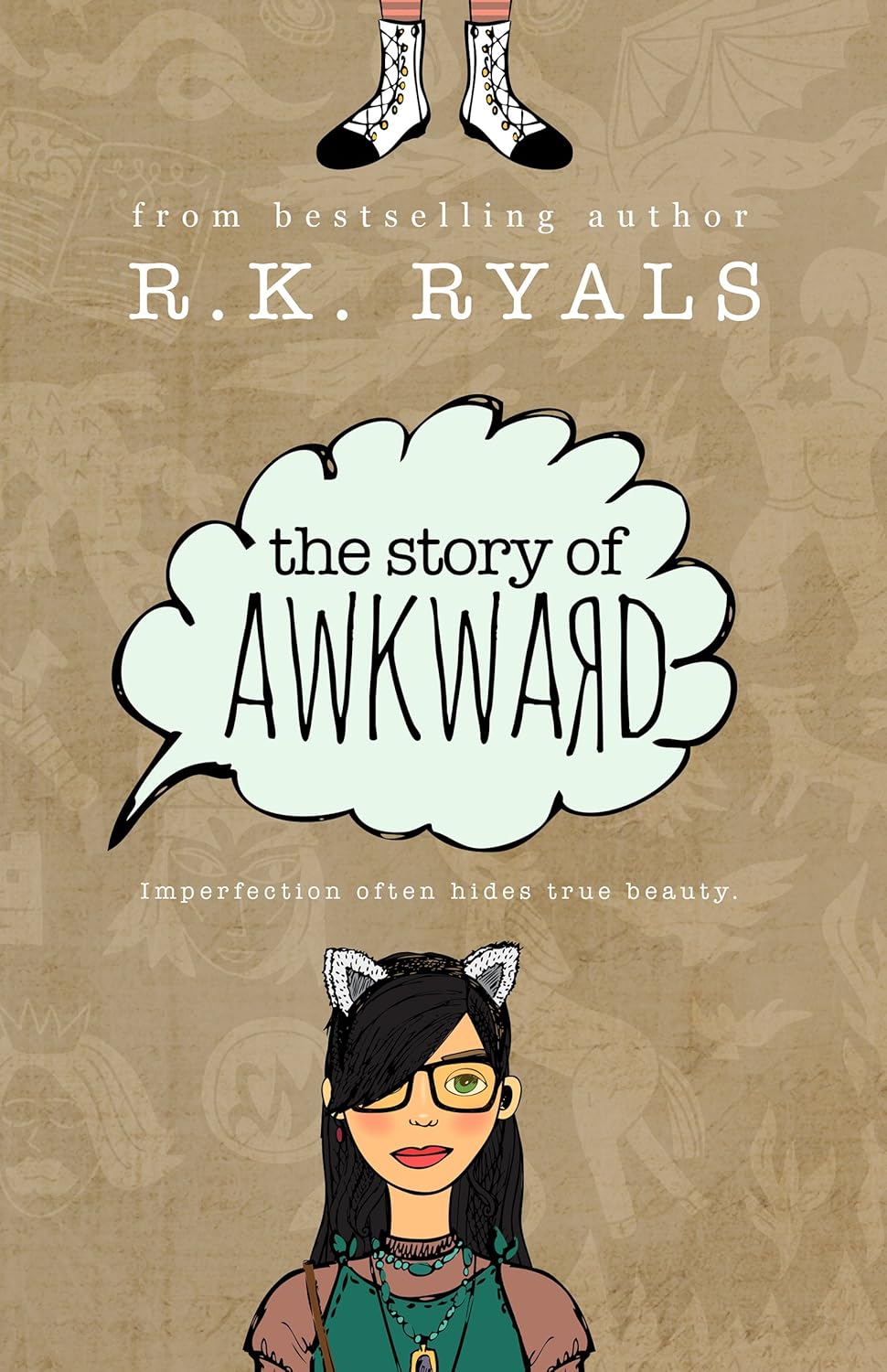
6.  The Story of Awkward by R.K. Ryals made the list just because of it's description. I'm intrigued: 
If you are looking for a happy book about beautiful people, this is the wrong story. If you are looking for a narrative without emotion, without regrets, and without mistakes, this is definitely the wrong story. This is by no means an uncomplicated tale about uncomplicated people. It is by no means sweet or light. 
This story is ugly. This story is complicated. This story is emotional. This story is tragic. 
In short, this story is about being awkward.
Peregrine Storke is an artist with an odd sketchbook full of pictures she’s drawn since she was a child. It is a book full of strange sketches and awkward characters, for there is no better way to hide from bullying and life than to create a world of your own. With a stroke of her pencil, she has given life to a spectacled princess, a freckle-nosed king, a candy loving troll, a two-horned unicorn, and a graceless fairy. 
At nineteen, Peregrine leaves her home, her sketchbook, and awkwardness behind. But what happens when something goes wrong in the world of Awkward? Trapped inside of her complex realm with the bully she thought to leave behind, Peregrine discovers there is nothing worse than falling for your own villain. 
7. Beauty and the Beast by Jenni James made the list because I'm totally into the TV series Once Upon a Time and this sounds like it's worth a look...

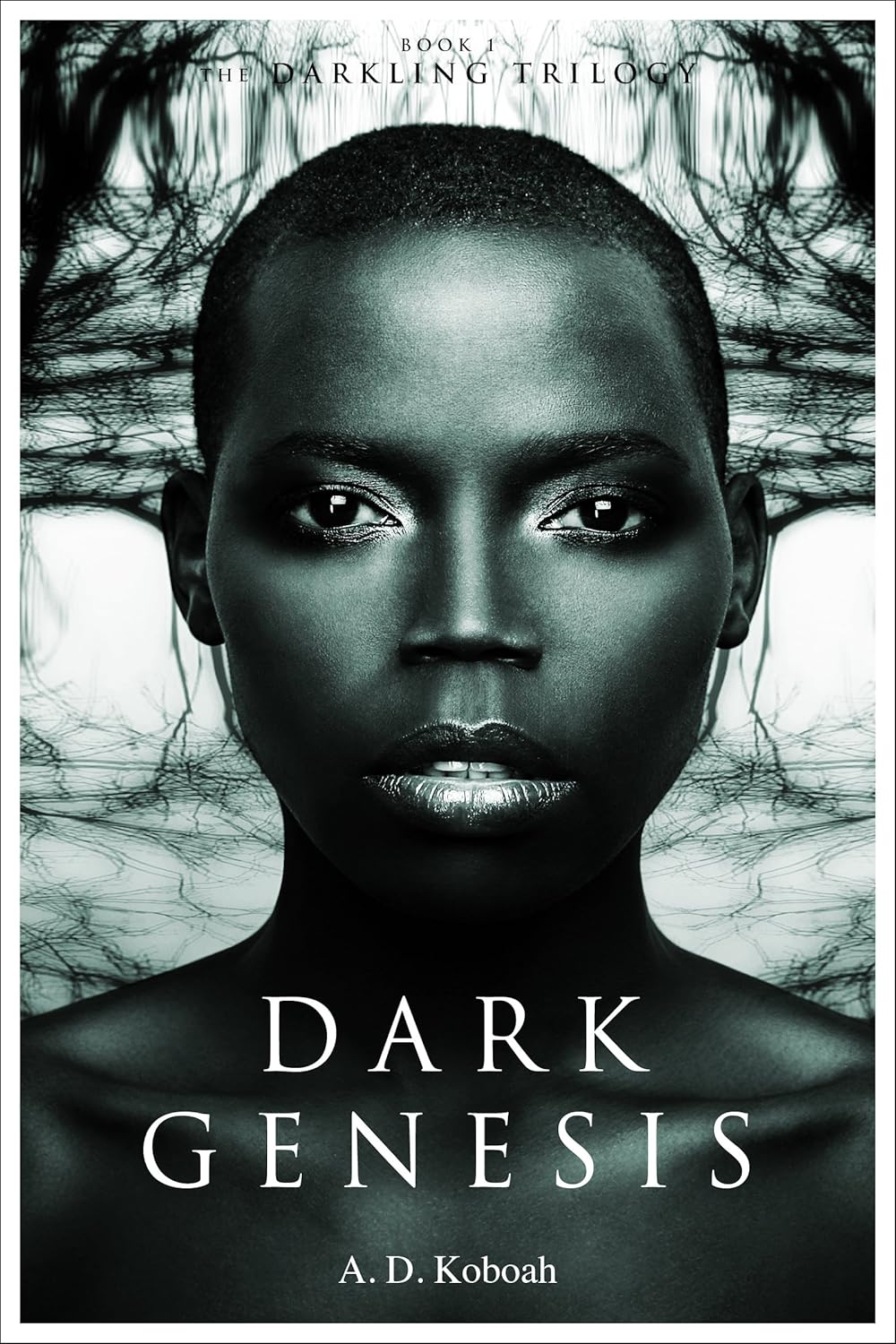
8. Dark Genesis by A.D. Koboah peeked my curiosity considering my interest in slavery. 

Classics such as these made my list because I grew up watching the movies time and time again. At one point and time in my childhood I read each of them, but it's been so long I can't wait to revisit each book.

9. Pollyanna by Eleanor Hodgman was such an optimistic little girl and when tragic events come her way only one threatens to derail her outlook on life. It's one I need to reread as an adult because the grateful attitude is one I need to embrace daily.

10. Little Women by Louisa May Alcott because it's hard not to fall in love with all four of the sisters. 

Friday, January 9, 2015

"The Book Thief" by Markus Zusak [Quotable Quotes]

This book wormed its way into my heart, it took a bit, but the author's writing was so beautiful that I knew I would regret putting it down. I am so thankful I pushed through the first few chapters because it made my top ten list. 

Mark Zusak's style of descriptive writing was so uniquely beautiful that I had quotes galore, just because of the picture he painted with his words. Starting with a Jewish section of town that broke my heart...

Markus Zusak

“It was a place nobody wanted to stay and look at, but almost everyone did. Shaped like a long, broken arm, the road contained several houses with lacerated windows and bruised walls. The Star of David was painted on their doors. Those houses were almost like lepers. At the very least, they were infected sores on the injured German terrain." (p. 51)

His comparisons to a broken arm, lepers, infected sores gave such tremendous insight into how the Jews were seen and treated in Germany during WWII. My little blurb on this particular quote gives it zero justice, but I can't seem to put the significance of this statement -considering the Jewish laws dealing with lepers and infected sores- so I doubt I'll be able to give due credit for any of the other quotes either...

“For now, Rudy and Liesel made their way onto Himmel Street in the rain. He was the crazy one who had painted himself black and defeated the world. She was the book thief without the words. Trust me, though, the words were on their way, and when they arrived, Liesel would hold them in her hands like the clouds, and she would wring them out like the rain.” (p. 80)


And when you read her words you'll need to wring out a box of tissues. The next quotes were simply wonderful, with no description needed of me...


“...one opportunity leads directly to another, just as risk leads to more risk, life to more life, and death to more death.” (p. 83)


"[Mama's] voice was surprisingly calm and caring. As you can imagine, this worried the girl a great deal. She'd have preferred to hear them arguing. Whispering adults hardly inspired confidence." (p. 95)


Okay. Did anyone else literally laugh out loud after reading the first few sentences of the next quote? Please tell me I'm not alone...


“Many jocular comments followed, as did another onslaught of "heil Hitlering." You know, it actually makes me wonder if anyone ever lost an eye or injured a hand or wrist with all of that. You'd only need to be facing the wrong way at the wrong time or stand marginally too close to another person. Perhaps people did get injured. Personally, I can only tell you that no one died from it, or at least, not physically. There was, of course, the matter of forty million people I picked up by the time the whole thing was finished, but that's getting all metaphoric.” (p. 111-112)

I can imagine someone losing an eye from an enthusiastic "heel Hitler" but his last two sentences of that quote stopped my laughing instantly. 

The next quote was taken from a book burning that I thought were beautiful...

“The orange flames waved at the crowd as paper and print dissolved inside them. Burning words were torn from their sentences. ” (p. 112)

How true (but I don't think it applies to eleven-year-olds alone): “Eleven-year-old paranoia was powerful. Eleven-year-old relief was euphoric.” (p. 132)

This description of Max, a Jew, hiding in the basement, fearing every noise, every movement was moving... “Everything was so desperately noisy in the dark when he was alone. Each time he moved, there was the sound of a crease. He felt like a man in a paper suit.” (p. 140)

Liesel and her best friend Rudy did their fair share of name calling. "Saumensch" means girl pig and "Saukerl" is male pig. This particular quote made me giggle (lots): “He was waving. "Saukerl," she laughed, and as she held up her hand, she knew completely that he was simultaneously calling her a Saumensch. I think that's as close to love as eleven-year-olds can get.” (p.144)

Remember that as you read this quote, the narrator of this book is death: “They say that war is death's best friend, but I must offer you a different point of view on that one. To me, war is like the new boss who expects the impossible. He stands over your shoulder repeating one thin, incessantly: 'Get it done, get it done.' So you work harder. You get the job done. The boss, however, does not thank you. He asks for more.” (p. 309)

I took the next quote out of Max's book describing Hitler:
“The young man wandered around for quite some time, thinking, planning, and figuring out exactly how to make the world his. Then one day, out of nowhere, it struck him - the perfect plan. He'd seen a mother walking with her child. At one point, she admonished the small boy, until finally, he began to cry. Within a few minutes, she spoke softly to him, after which he was soothed and even smiled. 

The young man rushed to the woman and embraced her. "Words!" He grinned.

"What?"

But there was no reply. He was already gone.

Yes, the Fuhrer decided that he would rule the world with words.” (The Word Shaker, p. 445)

Mark Zusah hit the nail on the head with that one. Hitler used words to turn a nation against a group of people. He used words to intimidate, to hurt, to kill, to ruin... Imagine if we all viewed words with such intensity? But with the opposite intention. To love, to respect, to honor, to cherish, to nourish...

Aaaaaaand let's do a 180 with a quote from death that'll make ya laugh...

“For some reason, dying men always ask questions they know the answer to. Perhaps it's so they can die being right.” (p.469)

... and another that'll make you cry...

“For a long time, she sat and saw.

She had seen her brother die with one eye open, on still in a dream. She had said goodbye to her mother and imagined her lonely wait for a train back home to oblivion. A woman of wire had laid herself down, her scream traveling the street, till it fell sideways like a rolling coin starved of momentum. A young man was hung by a rope made of Stalingrad snow. She had watched a bomber pilot die in a metal case. She had seen a Jewish man who had twice given her the most beautiful pages of her life marched to a concentration camp. And at the center of all of it, she saw the Fuhrer shouting his words and passing them around.

Those images were the world, and it stewed in her as she sat with the lovely books and their manicured titles. It brewed in her as she eyed the pages full to the brims of their bellies with paragraphs and words.” (p. 520-521)

I loved that quote because it was the perfect summation of Liesel's life. The next quote was taken from a section of the story where her reaction to pain and heartache left me in a state of reflection...

"She tore a page from the book and ripped it in half. 

Then a chapter.

Soon, there was nothing but scraps of words littered between her legs and all around her. The words. Why did they have to exist? Without them, there wouldn't be any of this. Without words, the Fuhrer was nothing. There would be no limping prisoners, no need for consolation or worldly tricks to make us feel better. 

What good were the words?" (p. 521)


In my own experience, words have been the most effective tool to change my life. I have hated words and I have loved words. Perhaps it was that reoccurring theme that helped me form a love towards the words in this book and events such as this, when Ilsa gave Liesel an empty journal to fill with her very own words...

“As it turned out, Ilsa Hermann not only gave Liesel Meminger a book that day. She also gave her a reason to spend time in the basement, her favorite place, first with Papa, then Max. She gave her a reason to write her own words, to see that words had also brought her to life.
"Don't punish yourself", she heard her say again, but there would be punishment and pain, and there would be happiness, too. That was writing.” (p.524-525)

What a beautiful comparison and an extremely sad part of the book described here... “Papa sat with me tonight. He brought the accordion down and sat close to where Max used to sit. I often look at his fingers and face when he plays. the accordion breathes. There are lines on his cheeks. They look drawn on, and for some reason, when I see them, I want to cry. It is not for any sadness or pride. I just like the way they move and change. Sometimes I think my papa is an accordion. When he looks at me and smiles and breathes, I hear the notes.” (p.527)

I loved the narrator, even though the narrator was death. Markus brought death to life with words such as this: “I wanted to tell the book thief many things, about beauty and brutality. But what could I tell her about those things that she didn't already know? I wanted to explain that I am constantly overestimating and underestimating the human race - that rarely do I ever simply estimate it. I wanted to ask her how the same thing could be so ugly and so glorious, and its words and stories so damning and brilliant.


None of those things, however, came out of my mouth.

All I was able to do was turn to Liesel Meminger and tell her the only truth I truly know. I said it to the book thief and I say it now to you.

I am haunted by humans.” (p. 550)


Be sure to check out my review.

Monday, January 5, 2015

"The Book Thief" by Markus Zusak [Book Review]

The Book ThiefThe Book Thief by Markus Zusak
My rating: 5 of 5 stars

It took many pages to get "into" this book. Markus Zusak's style of writing, however, kept me intrigued. His writing is genius and after recognizing this from the first few pages, where I realized the narrator was death, I didn't want to put it down. I will be forever grateful I kept reading because those first few chapters I struggled to read and understand were all made clear the farther along I read. So much so that when I finished the last few chapters, I went back and reread the beginning. I highly recommend you do the same, especially the chapter titled, "The Flag". I have no doubt that if you take this book on with the same reverence as I did to the author's brilliance, you will, like myself, grow to love the book and the characters in it. I liked it so much, in fact, that it took days to write this review. I simply had no words.

How could I give words to the book thief's grief (the book thief = Liesel)? I can't even begin to tell you how much I actually liked her cantankerous "mama" or how much I loved her "papa" or enjoyed seeing the relationship unfold with Frau Holtzapfel or the mayors wife. How could I describe the impact Max's Standover Man or his story of The Word Shaker had on me? How could I even talk about Max without tears? In fact, how could I talk about any one of Liesel's loved ones without tears? Especially Rudy. No, especially papa. Zusak brilliantly gives life to German citizens living their life in the heart of Nazi Germany. Such life, that I don't have the words to describe how much I liked this heartbreaking book. Before this book I felt disdain for German citizens who simply stood by and watched the Holocaust, but now, thanks to Zusak, I don't have words because I know, that despite this book being fictional, it isn't far from the truth.

Thank you Markus Zusak.

It made my top ten list and I'm 110% sure that no amount of "reviewing" on this book could fully detail the impact Markus Zusak's words, descriptions and stories had on my heart. I found it inspiring. I found it unforgettable.

View all my reviews

Stay tuned for my favorite quotes from this incredible book!

I'm still debating on whether or not I want to watch the movie. Books are always better. Because there's just something about words...

Wednesday, December 10, 2014

"The Atonement Child" by Francine Rivers [Quotable Quotes]

In addition to book reviews, I decided that if a book contains one or more amazing quotes, I want to spend time talking about them. The Atonement Child by Francine Rivers had so many that I couldn't pass them up. It was this book that encouraged me to add the quotes gadget to my blog layout (you'll see it on your left). There were 11 quotes from this book alone that I thought were beautiful enough to share. Francine Rivers gives insight into the heartache of women who have chosen abortion or feel they have no other choice and the healing that comes with it. I trust her knowledge. The entire reason she wrote the book was to shed light on her own testimony and the heartache of her own decision to abort. What an incredible way to share life's most taxing trials and the gift of forgiveness through Jesus Christ! I encourage you to read the book and my review on it. You will not walk away unscathed.

Quote #1: “How many others suffered in silence, too ashamed and too afraid to speak about their pain? The world wouldn't let them grieve for children they had aborted. How could they when the rhetoric said there was no child? How does one grieve what doesn't exist? No one wanted to admit the truth.” (p.248)

This quote reminded me of an incredibly difficult blog post written by a mother who lost her child due to a miscarriage. She titled it, How Abortion Has Changed the Discussion of Miscarriage and I'll let her post speak for itself. She hit the nail on the head:
"I was sent home to continue to live like my baby had never died – like there never was a baby. But recently, I have realized that this response is an indicator of the state of our society. After all, it is hard for a society to mourn the loss of WANTED unborn life when it is busy calling it “tissue” and discrediting its personhood. It is hard for a society to embrace a mourning mother for her loss of tissue when it is busy defending another mother’s right to dispose of it. But for a woman who prays ceaselessly for life to fill her womb, For a woman who has tried for years to finally have children of her own. For an expectant mother who suddenly finds herself frantically calling her OB after finding bright red blood... The “material” in her tummy is anything but tissue. It is life. It is hopes and dreams and answered prayers. It is destiny and a future and a promise of another generation. It is bike riding and little league and ballet lessons and college and grandkids… It is a baby. But it can never be both. Society can never acknowledge that we lost a baby and with the same breath declare the rest to be tissue. That is how abortion has changed the discussion of miscarriage – it has silenced it. Even though miscarriage affects millions of men and women each year, it won’t be featured on the news. There will be no memorials for all of the WANTED unborn babies. There will be no moments of silence or Today Show features for women who are organizing support groups. Despite the huge number of families miscarriage impacts each year – it will not be discussed widely. Because if they call ours babies… Then all of the aborted ones… were babies too…" (source, bold mine)

Quote #2: “I have to be separate in my way of thinking and not let my emotions rule. Oh, and they have ruled, Joe. They've ruled for months. I've let myself be kept in turmoil, stumbling every which way I turn."
"And no wonder."
"Don't make excuses for me. The world's too good at that.” (p. 250)
"We're Christians. We have to care what people think. The appearance of wrongdoing, remember? I'm not going to move in with you had have people think we're living in sin. What sort of witness would that be?” (p. 257)

There's two incredible pieces of this quote I want to talk about: 1. emotions. Rivers is dead on in this conversation between the main character and Joe in regards to them. They are unreliable. We spend too much time trying to reign in our emotions when we should instead focus our minds on Scripture. Once we focus on mind on Scripture, our mind automatically gravitates to the things of GOD. That is exactly what the Bible teaches us to do (see Romans 12:1-2 as one example). Gain wisdom through Scripture. Renew your mind according to Scripture. Do not be conformed to this world, but transform your mind. That is the entire reason why I created the 40 Day Challenge, to renew my mind according to Scripture. I am so glad I did (now it's about time to do it again). 

Secondly, as Christians we should care what people think. The more time we learn and grown in Him the more He sets us apart. Our lives should be different because the One who lives within us is different. The Holy Spirit will constantly teach and admonish according to Scripture so that we become more like Him, which is our ultimate goal. The more we grow and learn in Him the bigger witness we become and He will use us for His glory. What good are we to Him if we continue to live in sin? We are not using our lives for His glory!

Quote #3: “How could a woman who had an abortion not feel guilt or some sense of remorse? How could she justify what she'd done? Whom else could she blame when everyone was telling her it's her choice? Without facing the truth and confessing it, how could she be forgiven how could she be restored? How could she be free?" (p. 282)


Especially since the world refuses to recognize their pain and loss...

Quote: #4: “He had the tool to break down the walls that imprisoned his people. He had the tool to rip away the veil to the Holy of Holy's so that his flock could come before the Lord and be cleansed, made whole, transformed, and have a personal, loving relationship with their creator. That very tool sat on Hannah's bookshelf right now, gathering dust until Sunday morning. Her Savior was there, waiting to speak to her and show her the way home again, the way back to love. YOUR WORD IS LIFE! Why didn't more people understand that?” (p. 283)


I love this portion of the book where a pastor realized the most helpful tool on the face of the planet - God's Word. The sad part is that in broken homes the Bible sits on a shelf gathering dust.

Quote #5: “Lord, you are God! You made us. Who better to know how to fix us when we've gone wrong? who better to set us to rights again? Who better to love us through the fire and refine us into something beautiful and useful despite our wrongs?” (p. 283)

Truth.

Quote #6: “A woman could be the wind beneath a man's sails or a gale to send him into uncharted waters. She could be an anchor in stormy seas, or she could let him drift into the rocks.” (p. 296)


I read this to my husband and his only response was, "Yup."
Quote #7: "Hormonal changes permanently alter the breast structure. And when a pregnancy is terminated through abortion, the process is interrupted, which leaves cells in a sate of transition. And they say cells in this state have a very high risk of becoming cancerous. So the woman's chances of developing breast cancer later in life may be greatly increased.” (p. 310)

I decided to do a bit of research to determine the truth behind this statement. You'll be floored with what I found:


Quote #8: “... those selling abortion don't want them to have [the facts]," Virginia said heatedly. "Besides the Supreme Court doesn't agree with you. They judges seem to think we poor women would fall apart if we knew the facts, so they decided women don't have the right to know the full truth." She shook her head. "They've made it legal to withhold vital information, even when a woman requests it, for heaven's sake!” (p. 310-311)

You can read all about the history of court rulings in regards to this statement here. 

Quote #9: “It doesn't take two minutes on an examining table for a girl to know that abortion is painful and destructive and it'll have far-reaching effects on her life. Besides the emotional trauma of going through something so violent, there are the physical aspects, the aftereffects. Unfortunately, by the time she's gone that far, it's too late to change her mind.” (p. 311)


Francine River's testimony of her own abortion can validate the truth behind this statement.

Quote #10: “This generation seems to see children as a financial burden and responsibility to be avoided.” (p. 313)


I wish this wasn't true, and I'm going to steal a quote from a book that I think sums this sad truth up pretty well,
"Years ago, before this generation of mothers was even born, our society decided where children rank in the list of important things. When abortion was legalized, we wrote it into law.  
Children rank way below college. Below world travel. Below nightlife. Below physical fitness. Below a career. In fact, children rate below your desire to sit around and pick your toes, if that is what you want to do. Below everything. Children are the last thing you should ever spend your time doing." (R. Jankovik, Mom Enough, p.14-15, it also appears on the blog Desiring God titled, Motherhood Is a Calling (And Where Your Children Rank))
Isn't that true of our mentality these days? It's convicting! After reading that I had to sit down, determine where my children rank, and make some changes...

Quote #11: “Emotions are powerful, but they also change as quick as the wind. That's why the Lord says to renew your mind. Don't base decisions on what you feel.” (p. 335)

This one relates so much to Quote #2 that I don't want to expound on it. See Quote #2

------------------------------

I want to end with sharing a bit of my testimony. During my freshman year of college I was promiscuous. Had I become pregnant I have no doubt in my mind that I would've chosen an abortion. There's many reasons why I believe this about myself then: 1. I was selfish. 2. I would've been scared to tell my family. 3. I would not have known the father. 4. I did not want to quit school to support a child or deal with whatever lay ahead had I chosen a full-term pregnancy and adoption (selfish). Thankfully, God spared me from many consequences of my lifestyle as an 18 year old. My goal in sharing these quotes and spending so much time talking about them is not to cast judgement, but to offer encouragement. Even if you did make the decision to abort your baby there is forgiveness through the gift of salvation through Jesus Christ. If He can forgive you for sins past, present and future, who are you to remember them and who am I to hold it against you? Give them to Jesus, find someone who will encourage you according to Scripture daily, and let the healing begin. Any healing process is laborious but with Jesus anything is possible!

What I believe about life:
 I believe that God creates life from conception. Period. 
I believe God knows each individual before conception.
I believe God's sovereignty stretches to all aspects of human life, including, but not limited to pregnancy.

David wrote about that truth in a beautiful Psalm...
"For you formed my inward parts;
you knitted me together in my mother's womb.
 I praise you for I am fearfully and wonderfully made.
Wonderful are your works; 
my soul knows it very well.
My frame was not hidden from you, 
when I was being made in secret,
intricately woven in the depths of the earth. 
Your eyes saw my unformed substance; 
in your book were written, every one of them,
the days that were formed for me,
when as yet there was none of them.
Psalm 139:13-16

Friday, November 21, 2014

"The Atonement Child" by Francine Rivers [Book Review]

The Atonement ChildThe Atonement Child by Francine Rivers
My rating: 4 of 5 stars

My favorite part of this book began in the later chapters when the main character finally decides whether or not to abort her child, conceived by rape. The intensity of such a decision was well written. Francine Rivers also does an excellent job of calling out individuals claiming to be "Christian" and challenging all Christians in their belief of life, death, and choices. Because I believe GOD creates life from conception, I felt that abortion, no matter the circumstances, would leave a woman with long lasting effects, but I didn't know how to put it into words. Francine does that. The reason why astounded me. On her website, http://francinerivers.com/about/faqs, she was asked to explain how she got the idea for each of her books and she described this book with her own personal testimony, "Is there complete forgiveness and restoration for a woman who has aborted her child? Does abortion have any effect on the woman and the man involved in the crisis pregnancy? Does it impact people around them? (This was my most painful and personal book because I needed to face and deal with my own abortion experience. The character of Hannah is based on my story; Evie is based on my mother’s.)" And yes, she answers each of those questions. When asked which book was the hardest to write, she explained it was this one. Her reason is obvious, "The Atonement Child was the most personal and difficult to write because I had to face my own abortion experience. Added to the considerable research I did, and women who shared their experiences with me, I went through an intensive post-traumatic stress Bible study for post-abortive women at our local pregnancy counseling center. Reliving all aspects of my abortion decision and experience was excruciating – but healing. After twenty-six years of being imprisoned by guilt and shame, I was free through the power and love of God. Though the book was the most heart-wrenching to write, it also proved to be the most life changing. I’ve received countless letters from other post-abortive women and have learned my experience is not unique. Our nation is filled with wounded men and women. The character of Hannah is based on my story, Doug is based on Rick’s, and Evie is based on my mother’s." I feel Francine's testimony is reason enough to read this book and take her seriously.  To share her own personal testimony of how abortion affected her own life took some guts. She opened all kinds of doors for criticism and judgement. Testimonies have the ability to change lives and that was obviously her goal. It was also quite obvious, by reading this book, that her experience was excruciatingly difficult. It was an all around, incredibly infuriating, devastatingly sad, read.

View all my reviews

P.S. As a result of this book, I decided to write a blog post all about my favorite quotes from each of the books where I've written a review. There's a lot of quality quotes that I can't wait to share! Stay tuned.